

How to Import Live Plants to the UAE from Indonesia
Ordering tropical plants from Indonesia for delivery to Dubai, Abu Dhabi, Sharjah, or another location in the United Arab Emirates can be straightforward once the paperwork is planned correctly. The tricky part is that a plant is not treated like a typical household parcel. It is living agricultural material. Its species, origin, condition, packaging, documents, and the importer's authorization can affect whether it is released at the border.
The essential sequence is to confirm that each plant is admissible, identify the authorized UAE importer, secure any required agricultural-consignment import permit before shipment, obtain the proper phytosanitary documentation from Indonesia, and arrange clearance and inspection on arrival. UAE authorities control these decisions; an exporter cannot replace official approval with a promise that a parcel will pass.
This guide focuses on live ornamental foliage plants grown in Indonesia and shipped to the UAE. It explains what private collectors and commercial buyers should ask before paying, how documents fit together, why natural soil is a particular problem, and what happens when a shipment is held. It is an informed buyer checklist, not a substitute for a permit decision from the UAE Ministry of Climate Change and Environment.
At a glance: what UAE plant importers should check
| Before shipping | Why it matters | Who confirms |
|---|---|---|
| Scientific plant identity | Restrictions and permit descriptions are species-sensitive | Buyer, exporter, UAE authority |
| Importer's legal eligibility | Commercial agricultural imports may require licensed activity | UAE importer and MOCCAE |
| Import permit | Authorization must be obtained before shipment where required | Authorized UAE applicant |
| Phytosanitary certificate | Documents official inspection and health status at origin | Indonesian plant protection authority |
| Growing medium | Natural soil accompanying live plants is prohibited under the relevant UAE service conditions | Importer and quarantine officials |
| Arrival inspection and release | Customs arrival is not the same as quarantine release | MOCCAE and other border authorities |
| Special species controls | CITES or other species-specific approvals may apply | Relevant authorities |
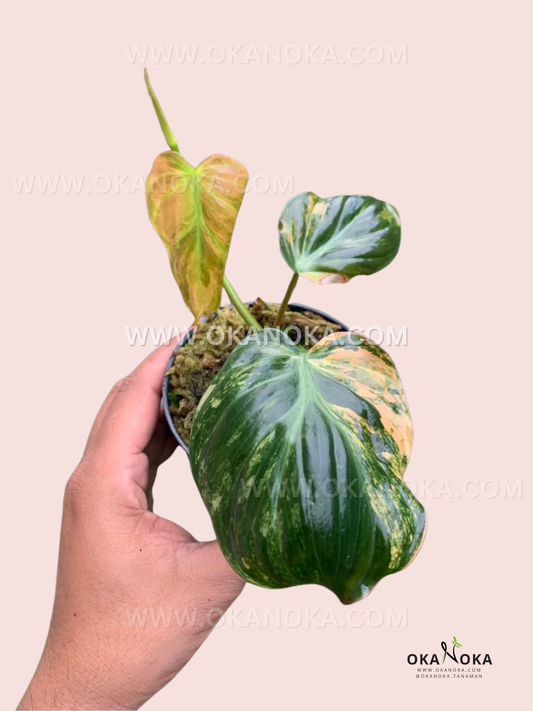
These checks apply whether a buyer wants a single Philodendron for a collection or a much larger shipment for resale. The correct authorization path can differ by transaction type. Do not assume that a small order automatically means no permit is needed.
Who regulates live plant imports into the UAE?
The principal federal authority for agricultural-consignment imports is the UAE Ministry of Climate Change and Environment (MOCCAE). Its agricultural-consignment service covers plants, seedlings, and other regulated agricultural material. The ministry's service page describes electronic permit issuance, inspection at entry, and electronic release after compliance checks. Customs agencies, couriers, and other authorities may also have roles in the physical clearance process.
The UAE's agricultural quarantine legislation requires imported agricultural consignments to comply with inspection and plant-health requirements. It states that imported or transiting agricultural consignments must be accompanied by a phytosanitary certificate authenticated by the competent authority in the exporting country. This is not merely a recommendation from a plant seller: it is part of the destination country's regulatory framework.
Start with MOCCAE's agricultural consignment import service and the official federal agricultural quarantine law. Read the current conditions rather than an older blog post or an informal social-media summary. Government service names, fees, forms, and eligibility requirements may be updated without an individual exporter receiving advance notice.
Step 1: identify every plant accurately
A product listing may use an attractive cultivar name, an abbreviated genus, or several trade synonyms. Border documents need a clear, consistent description. Obtain the best available scientific identity for each plant and confirm the quantities before applying for authorization. A mixed order might contain Philodendron, Anthurium, Scindapsus, and Syngonium; treating them collectively as simply “houseplants” can hide species-specific restrictions that should have been checked.
If a name is uncertain, request photos of distinguishing leaves, stems, and growth habits, and ask the seller whether the taxon is confirmed or provisional. Do not invent a scientific species designation to make a document look complete. A hybrid or cultivar can be described as such when appropriate, with the underlying genus and available parentage. Clearer naming helps the importer consult the authority and reduces the likelihood of discrepancies between the permit, invoice, packing list, and phytosanitary certificate.
Check for protected-species status, import prohibitions, additional treatment requirements, and permitted sources. The fact that a species is popular in plant shops abroad does not establish that it can enter the UAE without conditions. Confirm the status of each taxon with the UAE authority before the exporter removes a plant from its growing container for dispatch.
Step 2: establish who is legally importing
One of the most important questions is not which courier to use, but who will appear as the importer and who is qualified to apply for the required approvals. MOCCAE's agricultural-consignment service describes a valid agricultural activity license among its general requirements and specifies relevant import/export activity for businesses importing plants and seedlings. That requirement should not be casually interpreted as a license-free route for private buyers.
If you are an individual collector, contact MOCCAE or an appropriately authorized UAE importer before ordering. Ask whether your proposed purchase can be cleared under a personal-import arrangement, whether a licensed entity must act as importer, and what documentation that entity requires. If you are buying for a nursery, event installation, landscaping company, or resale operation, check that the importing business has the relevant approved activity and can be named consistently across permit and delivery documents.
Do not lend another person's permit number or use a company name that is not actually handling the import. The importer may be the party contacted if a shipment is held or if further details about the plants are required. Sorting out this responsibility after the box is already in transit can be costly and stressful.
Step 3: check the agricultural import permit
MOCCAE's service describes an electronic application for permission to import an agricultural consignment. The official conditions state that the necessary import permission should be obtained before consignments are shipped and that plant types not listed in the permit may not be imported under it. For authorized consignments, the service indicates that the import authorization is valid for six months from issue, but buyers should always verify the exact dates and conditions shown on their own approval.
Share the intended scientific names, quantities, country of origin, and expected transport mode with the party applying. A permit may be more specific than the casual shopping cart. Do not add an extra species, swap a cultivar for a materially different taxon, or increase quantities without checking whether the approval still covers the goods. Keep a legible copy of the actual issued permit available to the exporter well before the scheduled inspection and packing day.
The service page publishes a processing period and fees, but these are administrative service details rather than guarantees that an individual order will be approved. The page also distinguishes permit issuance from release procedures after inspection. Buyers should budget for the possibility of separate official charges, broker or courier handling fees, and customs-related costs where applicable.
Step 4: obtain the phytosanitary certificate
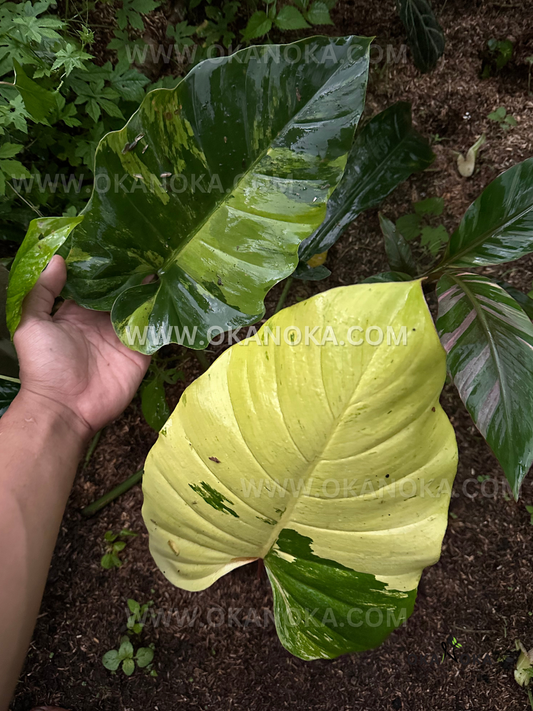
A phytosanitary certificate is an official plant-health document issued by the competent plant protection authority in the exporting country. For Indonesian exports, the exporter arranges the applicable quarantine inspection and documentation through the authorized Indonesian system. The certificate is intended to attest that the inspected plants meet the phytosanitary requirements of the destination; it is not a private guarantee that plants cannot deteriorate after leaving the inspection point.
The botanical names, counts, origin, and consignee details should be consistent with the importer documentation. If a destination permit requires additional declarations or treatments, those need to be checked before inspection rather than improvised afterward. An official certificate and an invoice have different purposes. Neither substitutes for the other. The UAE agricultural quarantine law explicitly addresses phytosanitary certification for imported agricultural consignments.
Request a legible copy of the certificate and any official reference or verification method that comes with it. Keep the original or recognized official version available in the form the destination authority and carrier require. Sending the document by email can help the importer prepare, but it should not be assumed that emailing a PDF removes every requirement concerning authenticated or original paperwork.
Step 5: arrange the invoice and packing list
The commercial invoice should identify buyer, seller, plant descriptions, quantities, and declared values accurately. The packing list should correspond to the actual pieces shipped. A courier airway bill contains logistics information, not a substitute for the plant descriptions. When invoices, permits, and certificates show conflicting quantities or names, inspectors may need time to clarify which goods actually arrived.
Before the carton is sealed, compare each plant against the order, approved list, and shipping label. Check spelling of the consignee and delivery address, including telephone number and any local importer or agent details. Keep a simple document index in the buyer's email record: permit, phytosanitary certificate, invoice, packing list, tracking information, and any species-specific authorizations. This makes responding to an inspection query much faster than searching through multiple chat threads.
The UAE agricultural-consignment service also lists origin and transport documents in its release requirements. Requirements can vary with the shipment and service path, so use the current official checklist rather than guessing which document a border officer might request.
Step 6: check how the plants are prepared
Live tropical foliage plants are often exported with roots cleaned and the root zone protected against drying. For UAE agricultural consignments, MOCCAE's published conditions prohibit natural soil accompanying plants and seedlings. That should not be confused with a blanket statement that every possible non-soil packing material is approved. Root wrapping, sphagnum, tissue, and other materials should be checked against the destination authority's current instructions and any applicable carrier policy.
Ask whether the exporter will remove original growing media, inspect the roots for visible pests, keep stems and leaves secure, and limit excess free moisture inside the box. The goal is to protect roots while still providing safe, inspectable material. A plant that arrives soaking wet in an airless bag can be damaged even though it looked well packed at dispatch. A plant that arrives entirely dry can also suffer. Professional packaging is therefore about balancing moisture, insulation, airflow, and transit duration.
Winter or extreme summer temperatures add another risk. Heat packs, insulating liners, or other temperature measures may help in appropriate circumstances, but they are not replacements for suitable weather and routing. Consider both the exporting location and the conditions at any transit hub. Avoid shipping just before a long holiday or a known period of severe temperature exposure when alternate dates are possible.
Step 7: confirm any species-specific approvals
CITES regulates international trade in certain protected plant species. The existence of an ornamental houseplant market does not mean every orchid, succulent, or other protected taxon can travel with only ordinary plant papers. When a proposed plant is listed, the exporter and importer must determine which export or import certificates are required. The UAE provides a separate service concerning CITES-listed species. Some taxa may also have other phytosanitary restrictions entirely unrelated to CITES.
Check the current scientific name against the relevant protected-species information and official authorities. Do not assume a horticultural hybrid is automatically exempt or automatically covered without evidence. Cultivar trade names can obscure the legal taxon. Ask for written confirmation when a species status is uncertain, and keep it with the consignment documents.
This is particularly important for mixed shipments assembled from several suppliers. One undocumented plant can complicate clearance of the entire package, even when most items are uncontroversial foliage plants.

Step 8: understand the journey through UAE customs and plant quarantine
After dispatch, the parcel follows the courier or cargo route to the UAE. Arrival in the country and arrival at the buyer's door are separate milestones. When an agricultural consignment enters the designated inspection process, the authority can review documents, inspect the plants visually, and conduct laboratory tests if needed. MOCCAE's import service describes issuing the release permission electronically after the consignment meets the applicable requirements.
Keep the tracking number and documents available during the expected arrival window. If the importer uses a broker or licensed clearing agent, determine in advance which party will respond to questions. Some couriers can assist with logistics while not necessarily acting as the legally responsible agricultural importer. If an inspector requests clarification, reply promptly with the exact document or botanical information sought.
Do not describe an inspection hold as proof that the shipment is lost or rejected. It may simply be awaiting document review, inspection, treatment decisions, or release. However, delays are meaningful because live plants have limited tolerance for prolonged confinement. Check with the importer, carrier, and authority rather than making unsupported assumptions about what a tracking status means.
What happens if a plant is not approved?
The outcome depends on the reason for noncompliance and the decisions of the authorized officials. A missing document might be clarified in some cases; other problems may lead to treatment, return, refusal, or destruction. An importer should not assume every issue can be fixed by sending a newer invoice after arrival. Pest interceptions, prohibited plant material, or a mismatch with import authorization can have serious consequences.
Review the written notice where available and ask which authority issued it. Keep the commercial order, certificate, tracking history, and inspection correspondence together. If options are provided, evaluate them quickly because live cargo deteriorates with time. Responsibility for official charges, storage, return shipping, or replacement should be understood under the seller's terms before dispatch, not negotiated for the first time after a seizure.
Direct courier, cargo, and consolidated deliveries
Buyers sometimes use “direct shipping,” “group shipping,” and “cargo” as though they were interchangeable. They are not. Direct courier shipments may be addressed to the importer's specified clearance route. Cargo consignments may involve a freight forwarder and customs broker. A consolidated arrangement combines goods before onward delivery, but someone still needs to manage the legal import and phytosanitary entry conditions. A convenient domestic doorstep delivery after clearance does not erase the earlier import process.
Before paying, ask who is the importer of record, which official approvals are included in the service, where agricultural inspection will take place, and whether domestic delivery is included. Confirm how additional fees are calculated, particularly if the shipment is split or an inspection causes delay. Do not infer that shipping policies offered for a different country also apply to UAE consignments.
For reference, Okanoka's shipment information shows examples of previous international dispatches. Past successful deliveries are not a permit exemption or a guarantee of identical transit times for future purchases.
How to choose an Indonesian exporter
Start with transparency rather than a claim of unusually fast clearance. A useful exporter can provide a credible plant inventory, clear photos, correct names, an explanation of how export inspections are arranged, and realistic shipping windows. Ask how plants are photographed, selected, cleaned, and packed; whether the packing medium can be adjusted to meet the importer's documented requirements; and when the relevant certificates are made available.
Clarify substitution rules. A seller should not quietly replace a permitted plant with a different species because the preferred one was unavailable at packing time. Check the terms governing cancellations, shipping charges, damage evidence, and any possible replacements. For collectors, photos and documentation at dispatch help distinguish pre-existing plant condition from issues occurring later during transit or acclimation.
A good buying decision balances product quality, phytosanitary compliance, and communication. The cheapest plant price is not the whole cost if permit preparation, freight, and border clearance are substantial. Likewise, a higher quote does not automatically mean the right paperwork is included. Request an itemized explanation of what the exporter handles and what remains the buyer's responsibility.
Budget for more than the plant price
A realistic import budget can contain the plants themselves, export-side documentation or handling, international transport, official UAE services, customs or broker processing, and delivery to the final address. MOCCAE's service currently lists separate federal fees for an import request and a release request. These are not a universal quotation for every importer, and additional circumstances may change the charges. Check the live government page when calculating the actual order.
If you are comparing a small collector order with a wholesale purchase, divide total landed costs by the number of saleable plants, not merely by the number paid for. Breakage, unexpected delays, and the cost of holding a plant for acclimation can affect the economics of bulk imports. A business should also consider whether every selected cultivar has a realistic market and whether it has the facilities to recover plants after international transport.
Timing: plan backward from the desired delivery
Do not book an exact arrival date before the import route is confirmed. The sequence begins with botanical identification and approval, followed by export preparation, Indonesian quarantine documentation, packing, carriage, UAE entry inspection, and final release. Each step can be affected by holidays, document corrections, weather, and carrier capacity. The listed administrative processing time for an import service is not the same thing as an end-to-end delivery promise.
When the plants are for a landscaping installation or an event, allow an acclimation period after arrival as well. Foliage may look different after several days in a carton, and newly arrived plants should not be expected to perform instantly in a brightly lit or air-conditioned display. For commercial resellers, keeping a small buffer between receipt and customer delivery helps identify damaged tissue or delayed pest symptoms.

Receiving plants after release
Once the consignment is legally released and delivered, unpack promptly in a comfortable, shaded environment. Photograph the unopened packaging and document the condition of plants as you work, especially when the order is large. Inspect leaves, stem junctions, and roots. Gently remove packing materials without pulling forcefully against attached roots. If moss or wrapping adheres, loosen it carefully rather than tearing the root system.
Fresh imports may show temporary drooping or a yellowing older leaf after travel. Those symptoms alone do not prove infection or a dead root system. Evaluate root firmness, odor, stem condition, and the progression of symptoms. Prepare a modest container and an airy medium appropriate for the taxon. Excessively large pots and constant saturation can be more dangerous than careful, moderate watering during the initial recovery period.
Keep new arrivals away from established collections long enough to monitor for pests and changing condition. Introduce them gradually to normal light and airflow. Avoid immediately subjecting them to fertilizer experiments, repeated repotting, or hot direct sun. The goal is to help the plant establish functioning roots in its new conditions before chasing the fastest possible growth.
Practical checklist for individual collectors
- Write down the full plant list and the best available botanical names.
- Ask MOCCAE how your particular personal purchase must be imported and whether a licensed importer is needed.
- Do not pay for dispatch until the appropriate permit and species checks are complete.
- Confirm the exporter can supply an official phytosanitary certificate and matching invoice.
- Agree on acceptable root wrapping and confirm that natural soil will not accompany the plants.
- Provide the correct importer, telephone, and delivery information.
- Keep all documents accessible during arrival and agricultural inspection.
- Prepare a clean, separate recovery area for the plants after release.
This checklist should prompt questions, not substitute for the authority's decision. If an importer cannot explain who will obtain clearance, pause the transaction and obtain that answer first.
Additional checklist for resellers and nurseries
Commercial importers need to consider repeatability. Verify that the importing entity's licensed activities match the intended plants and transaction. Maintain a master naming list so taxon names on orders, permits, and shipping documents remain consistent over multiple consignments. Ask the exporter to flag substitutions before inspection and to identify any plant that needs separate paperwork. Store supplier records and official documents in a format your staff can retrieve quickly.
Create an arrival process with assigned responsibilities: who tracks cargo, who contacts the broker, who responds to inspectors, who checks plant condition, and who records stock losses. Document the number of plants actually received and their post-arrival condition. For a retail operation, schedule sale listings only after quality control rather than advertising every imported plant as immediately available the moment the shipment lands.
Frequently asked questions
Can I import houseplants into Dubai without a permit?
Do not assume so. The federal MOCCAE agricultural-consignment service includes import permission and conditions for plants and seedlings. The correct path depends on the importer and the type of consignment. An individual buyer should obtain a direct answer from MOCCAE or an authorized importing agent for the proposed order before shipping.
Does the exporter obtain the UAE import permit?
The UAE-side application is generally a matter for the authorized UAE importer or its appointed agent. The exporter can provide botanical names, quantities, invoices, and origin documentation needed for the application, but cannot independently grant entry permission into the UAE.
Is a phytosanitary certificate the same as an import permit?
No. The phytosanitary certificate comes from the competent plant protection authority in the exporting country and addresses plant health. The import permit, where required, authorizes the proposed entry under destination rules. A shipment may need both, plus invoice and transport documents.
Can I ship plants with soil?
MOCCAE's published agricultural-consignment conditions prohibit natural soil accompanying plants and seedlings. Other growing media or root-protection materials should be checked individually against the current requirements rather than assumed acceptable.
Do all Anthurium and Philodendron varieties have identical rules?
No blanket conclusion is safe. Import approvals can depend on taxonomic identity, origin, pest risks, and protected-species status. Confirm every intended plant against official conditions and the actual permission granted.
How long will delivery take from Indonesia?
There is no reliable universal time. Export inspection, courier transit, weekends, document checks, and UAE agricultural release are separate stages. Obtain a current shipment-specific estimate and allow for inspection rather than planning around a fixed number of days.
Does a previous successful order guarantee the next one will clear?
No. The next box may contain different taxa or face a different regulatory decision. Requirements, documentation, inspection outcomes, and carrier procedures can change. Repeat buyers should recheck the approved list and paperwork for every new shipment.
Make the paperwork part of the plant order
The safest approach to importing live plants from Indonesia to the UAE is to treat authorization and phytosanitary clearance as essential parts of the purchase, not problems to solve after dispatch. Verify the importer, species, official permits, certificate, packing conditions, and arrival process before the plants leave the nursery. That preparation does not guarantee an inspection outcome, but it avoids many preventable sources of delay.
Explore examples of tropical foliage available through Okanoka's Philodendron collection, and use the plant list to begin a proper species check. Choosing attractive plants is the enjoyable part; confirming they can be imported legally is what makes the order workable.
Official sources checked for this guide: MOCCAE — Import an Agricultural Consignment; UAE Federal Law Regarding Agricultural Quarantine; MOCCAE — Import of CITES-Listed Species. Requirements should be checked again when the actual permit is requested.
